
When we look at the latest celebrity weight loss stories, we tend to focus on the dramatic physical changes, but perhaps we are missing something. These prescription medications are designed to change the metabolism and appetite suppressor to curb calorie intake. But, there is a reported link between these types of medications and a reduction in anxiety and stress. So, it is important to look how these weight loss injections work and how they could actually improve the mental health of some users.
What is a Weight Loss Injection?
The most famous example is Ozempic, but there are others and many people don’t understand how they work. These medications are administered via an injection under the skin over a prolonged period of time to assist the patient with their weight loss efforts. A doctor would typically consider prescribing a weight loss injection for a person with a BMI (Body Mass Index 27 kg/m² (kilograms per square meter) or higher.
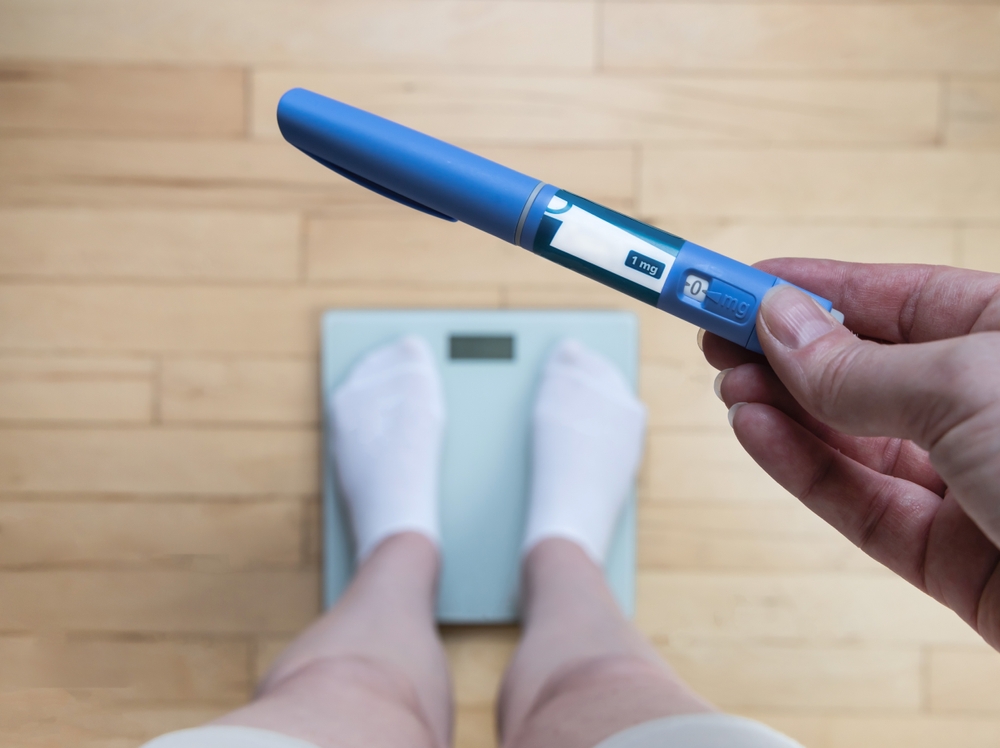
There are four weight loss injection brands that have come to the fore in recent years: Saxenda, Wegovy, Zepbound and Ozempic. It’s ironic that the latter is the best known because it’s not FDA approved for weight loss purposes.
That said, a doctor can prescribe it as an off-label medication for patients struggling to naturally lose weight. The doctor or a nurse will teach the patient how to perform the weight loss injection so that they can do it at home. The weight loss injection can help the patient in multiple ways to support their weight loss journey.
- Curbing cravings for fatty foods.
- Reducing blood sugar.
- Increasing the feeling of being full after eating.
- Acting as an appetite suppressor.
- Managing excess weight.
As you can imagine, the primary purpose of most weight loss injections is to reduce food cravings and decrease calorie intake. This will gradually reduce the weight out of the dangerous range and reduce the blood sugar levels. Every weight loss medication that we have mentioned above have a boxed warning for thyroid cancer risks. The FDA has issued these warnings due to high dosage testing on laboratory rats. At this time, further studies are needed to demonstrate any potential risks to humans. Staying in the safer dosage ranges is essential, even though taking more weight loss injections for faster results is a tempting and risky proposition.
5 Physical Weight Loss Injection Benefits
There are a number of clearly understood physical benefits.
- Gastric emptying delays to promote blood sugar management.
- Lowering blood sugar to help people with type 2 diabetes.
- Encouraging the patient to eat less to reduce the caloric intake.
- Increasing full feelings after eating to support diet plan adherence.
- Helping to prevent weight-related health issues, such as heart disease, high blood pressure, and type 2 diabetes.
The research conducted in 2024 showed that most people lose 8-15% more weight within 12-18 months than those that only focus on exercise, diet and oral medications.
How Does a Weight Loss Injection Work?
In our bodies, there are cellular proteins which are known as receptors and they produce biological responses. An agonist is a chemical that can interact with a receptor and modify how it functions. This is very different to an antagonist which will block an agonist or an inverse agonist which will actually produce an opposing action.
We also naturally produce a glucagon-like peptide-1 (GLP-1) in our intestinal enteroendocrine L-cells in our gut. This GLP-1 can be referred to as an “incretin” hormone because it actually increases insulin release when we eat. This hormone assists the pancreas to produce insulin when it’s needed and this typically occurs at night when we sleep.
| Injection Name | Active Ingredient | Mechanism of Action | Typical Use | Common Side Effects |
|---|---|---|---|---|
| Wegovy | Semaglutide | GLP-1 receptor agonist – reduces appetite & slows digestion | Obese or overweight with comorbidities | Nausea, vomiting, constipation, fatigue |
| Ozempic | Semaglutide | GLP-1 receptor agonist – improves blood sugar, reduces appetite | Type 2 diabetics, weight loss off-label | Nausea, diarrhea, loss of appetite |
| Saxenda | Liraglutide | GLP-1 receptor agonist – increases satiety | Obese or overweight with comorbidities | Nausea, diarrhea, increased heart rate |
| Mounjaro | Tirzepatide | Dual GIP and GLP-1 receptor agonist | Type 2 diabetes, off-label weight loss | Nausea, decreased appetite, fatigue |
| Zepbound | Tirzepatide | Dual GIP and GLP-1 receptor agonist | Obese or overweight with comorbidities | Constipation, nausea, fatigue, vomiting |
| Victoza | Liraglutide | GLP-1 receptor agonist | Type 2 diabetes, off-label for weight | Nausea, headache, indigestion |
| B12 + MIC Injections | B12, Methionine, Inositol, Choline | Increases energy, promotes fat metabolism | Often sold by wellness clinics | Rare – potential injection site irritation |
The weight loss injections that we’ve covered in this article are GLP-1 agonist medications. Their primary purpose is to treat diabetes by lowering blood sugar levels to safer ranges. Those that have type 2 diabetes and have a body weight that’s considered to be obese may be prescribed a GLP-1 medication. There are many products on the market and a healthcare provider can offer advice on the best medication to meet your needs.
In recent years, these GLP-1 agonist medications have found favor with those seeking a way to lose weight faster. Many celebrities have had their dramatic body changes chronicled on social media and in celebrity news. But, this weight loss is often accompanied by a marked reduction in anxiety and depression. The five GLP-1 medications that demonstrate these properties are based on related compounds that mimic the naturally occurring GLP-1 hormones found in our bodies.
The agonist GLP-1 receptor will produce insulin after eating and this in turn will reduce blood sugar levels. The emptying of the stomach is slowed which promotes a fuller feeling for longer after eating which reduces appetite for more food. There are oral variants of these medications, but the most effective ones are injectable. Ozempic and Wegovy are two of these GLP-1 medications and they are based on semaglutide. Certain other agonist compounds are dulaglutide, liraglutide, exenatide or tirzeptide that mimic gastric inhibitory polypeptide (GIP) and GLP-1.
Patients with diabetes that take tirzepatide are 60% less likely to have anxiety and 65% less likely to receive a depression diagnosis than those that are not taking GLP-1 medications. Those taking a semaglutide are 44% less likely to experience anxiety and 45% less likely to suffer from depression. Both semaglutide and liraglutide have been assessed for their efficacy in regards to anxiety and depression for those that don’t have diabetes. Of these, semaglutide reduced anxiety and depression when compared to others that are not receiving a GLP-1 medication. Those taking liraglutide experienced statistically significant improvement.
This research was undertaken by Epic Research which is one of the largest holders of medical records in the U.S. A pair of in-house research teams independently analyzed anonymous patient data and arrived at the same conclusions. The patient records for 929,174 without diabetes and 3,081,254 with diabetes were analyzed. In this study, the former group were taking the drugs purely for weight loss. A full range of variables was factored into the study to ensure that confounding influences that could skew the results were eliminated.
Ozempic as a Treatment for Depression?
From the results of the aforementioned research, it seems apparent that GLP-1 medications have significant therapeutic benefits for mental health. This goes far beyond their intended purpose as an effective glucose control and weight management tool. Doctors that were not involved in these studies have noted that these results go some way to address concerns that were raised by the FDA. The agency was initially concerned about a relationship between semaglutide and depression. This suggests that these issues are unlikely to be directly linked to the specific weight-loss medications covered in this article.
In January 2024, the FDA released an update on their investigation into GLP-1 and self-harm. No evidence was found that a connection exists in suicidal thoughts and/or actions. Many physicians were surprised by these findings, but only a handful of cases were found amongst hundreds of thousands of patients taking GLP-1 medications.
However, this does leave an unanswered question about the efficacy of weight loss injections to reduce anxiety and depression. There is no definitive answer at this time, there are reported improvements, but the source is not clear. As you can imagine feelings of anxiety and depression can be alleviated by a more positive body image after weight loss. An alternate cause could be a biochemical effect of these drugs which could only be revealed with further scientific studies. Further research may reveal more, but there are mental health improvements and many people have reaped the benefits.
Understanding the Cultural Impact of GLP-1 Weight Loss
In 2005, GLP-1 medications were approved for people with diabetes to move patients into healthier weight ranges and reduce blood pressure. There is significant stigma associated with obesity, the patient is considered to have poor control and bad habits. In reality, this is often a chronic disease and treating it as such is far more productive from a purely medical perspective. This is important because obesity can contribute to the risks of developing arthritis, diabetes, high blood pressure and more.
To live a longer, happier and healthier life it’s a good idea to reduce weight. But, there are physiological and physical needs to consider to ensure that the patient receives excellent care. This situation has been brought to the fore with the celebrity culture that’s currently embracing GLP-1 for weight loss.
How Does Weight Loss Improve Our Mental Health?
Many studies have revealed an ongoing and complex link between anxiety, depression and other mental health issues and obesity. Some people try to lose weight unsuccessfully for years and suffer unnecessarily when there are alternative routes to explore. To exacerbate this problem, it can be much harder to lose weight if your mental health is in poor shape. Medications that are used to treat depression may even cause weight gain and a lack of motivation can present a significant challenge for those seeking to make healthier choices.
A poor self image that many people with obesity experience on a daily basis can contribute to feelings of low self-esteem and inadequacy. This is likely to lead to anxiety, depression and a range of other mental health issues. This can make a person less likely to participate in activities and social situations that can lead to feelings of isolation. Those with obesity problems may suffer from insomnia and poor quality sleep contributes to fatigue, depression and a lack of motivation. This can limit the opportunities to exercise which releases natural endorphins that make us feel great.
Those with ADHD have a tendency to snack and eat impulsively during the day which does present a challenge for weight loss. Those that struggle to lose weight are at an increased risk of stroke, heart disease, diabetes and other conditions that can contribute to their worries. The longer the obesity goes on, the greater the risk and this can place a patient under a great deal of stress. As time passes, there can be discomfort and chronic pain in joints and it may become harder to breathe easily. This further reduces mobility and a gradually downward spiral into further weight gain and poorer health may follow.
The mental health implications of weight loss can be significant for most people. Those that lose weight find that they have a lighter mood and they can exercise to feel even better. It’s common to feel optimistic and empowered which raises their mood. An improvement in physical health can boost self-esteem and the overall sense of well-being. As motivation and self-esteem increases, weight loss continues and this is a cyclical process. Most people sleep better when they lose weight, they are less likely to feel irritability and they tend to have more energy to burn.
If all this sounds too good to be true, there can be negative consequences for mental health, if the weight loss is not achieved in a healthy manner. Those that attempt to lose weight with excessive exercise regimes, drastic calorie reduction and unrealistic diets may experience feelings of anxiety and depression. In extreme cases, this can even lead to eating disorders that may persist for a long time. Remember that many people with a healthy and lower BMI have anxiety, depression and body image issues too! So, it’s important to engage in weight loss in a sustainable and healthy way to support mental and physical health.

A health care provider can play a key role in healthy weight loss for those that may be struggling with mental health issues. Screening for eating disorders, anxiety, depression and more can help patients to lose weight safely. If an underlying mental health condition or mood disorder is untreated it’s likely that weight loss will be tougher. A new medication that’s introduced to lose weight must be carefully considered. There could be clashes with other medications that could lead to weight gain. Ongoing therapy can help to encourage the patient to take part in exercise which is a powerful tool for mental health and weight loss. Promoting a positive body image, avoiding bias and stigma can all help to support the patient on their weight loss journey.
The Pros and Cons of Weight Loss Injections
Before you ask about weight loss injections it’s important to understand the pros and cons.
Pros
- Appetite Suppression: Most weight loss injections will act as appetite suppressants which make calorie intake reduction much easier.
- Fast Weight Loss: Many studies have shown that weight loss injections can help patients to achieve results that could be achieved solely with lifestyle changes.
- Reduced Risks of Serious Health Conditions: Losing weight can drastically reduce the risk of developing health problems, such as stroke, heart attack and certain cancers.
- Metabolic Health Improvements: The weight loss achieved with GLP-1 medications can contribute to blood sugar control. As an added benefit there will be reductions in cholesterol levels and the risk of heart disease is reduced.
- Mental Health Benefits: Throughout this article we have seen numerous positive effects that weight loss injections can have on our mental health.
Cons
- Regaining Weight: Although weight loss may be quickly achieved with an injection there is a risk that the weight could return when the medication is finished. This is especially true if the patient lapses back into poor lifestyle habits.
- A Lack of Long-term Scientific Data: At this time weight loss injections appear to be safe to use, but they are still relatively new and the long-term implications are not yet fully understood.
- Digestive Issues: Some patients experience digestive issues, such as sulfurous breath and fishy odor burps as side effects.
- Rare Health Conditions: It is rare that a patient develops a serious health condition, but it is possible. Some reported health conditions include gallbladder problems, kidney issues, pancreatitis, thyroid cancer and more.
- Less Serious Side Effects: Some of the less dramatic side effects can still be an annoyance. They may include diarrhea, constipation, nausea and even vomiting.
- Unappetizing Food: Some people find that the appetite suppression characteristics can be intense and they may even find their food less appetizing.
- High Cost: These injections can be an expensive proposition and for many people the ongoing long-term costs may be beyond their financial reach.

Are Weight Loss Injections Right For You?
Health professionals have learned that GLP-1 medications can be an effective treatment for obese patients that may be suffering with mental health issues. Some psychiatrists have started to prescribe weight loss injections to their patients. When the anxiety is lifted and the patient’s mood becomes noticeably brighter they start to feel better. With the accompanying weight loss this can offer opportunities to exercise, socialize and sleep better. This creates a dramatic improvement in their quality of life and this includes a marked decrease in depression from the GLP-1 study. These injections can improve mental health and promote weight loss, but healthy eating and exercise are still vitally important.