
For decades, when hair transplants were talked about, it was just one thing – scalp restoration. Men worried about a receding hairline or a thinning crown, and would undergo a procedure to try and turn back the clock. Male pattern baldness was one of the most visible and common aesthetic concerns for men. But times have changed.
Fast forward to today, and the conversation around hair transplantation has expanded way beyond the top of the head. Now, people are just as likely to be booking procedures to fill in patchy beards, restore over-plucked eyebrows, or even add a bit of rugged chest hair.
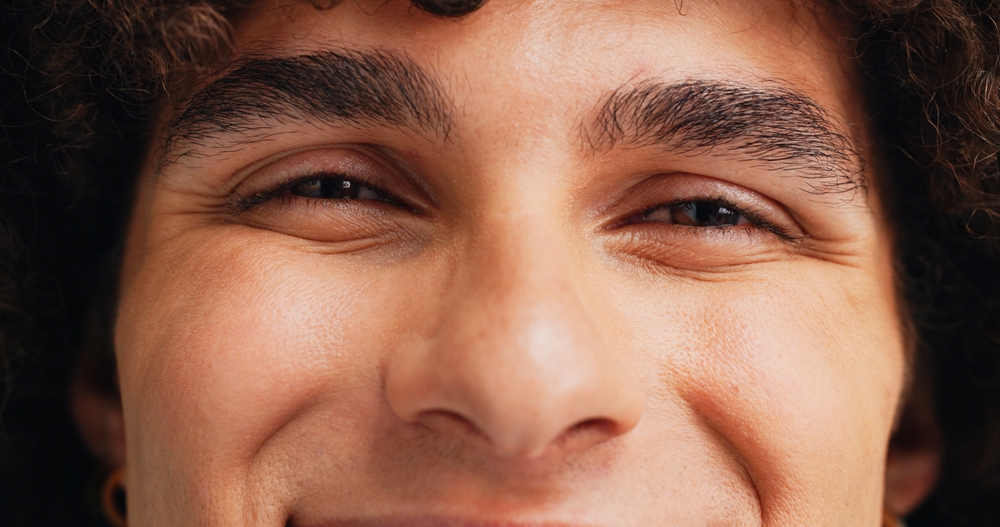
What’s driving this shift? Evolving beauty standards, better surgical techniques, social media influence, and a broader acceptance of cosmetic enhancement overall are all playing a part. The bottom line is that hair transplants are no longer just about correcting hair loss, they’re about crafting an image, a personal style. And with new technology making these procedures more accessible and natural-looking than ever, more people are jumping on board.
The Evolution of Hair Transplant Technology
To understand why non-scalp hair transplants are even possible, let alone popular, you need to know how hair transplant technology has evolved over the years. In the 50s and 60s, hair restoration was a pretty crude process. Surgeons would literally remove large sections of hair-bearing skin called “plugs” and transplant them to balding areas. It’s not surprising that results were far from natural looking, and often left patients with patchy clusters of hair.
Thankfully, things have come a long way since then. In the 1980s to early 2000s, procedures like Follicular Unit Transplantation (FUT) came onto the scene. Instead of transplanting plugs, surgeons would instead remove a thin strip of scalp and meticulously separate it into tiny grafts of only a few hairs each. This created a more natural look, but still resulted in a significant scar where the strip was taken.
Then came the real leap forward, Follicular Unit Extraction or FUE allowed for individual hair follicles to be transplanted from a donor area (usually the back of the scalp) to the desired area. With thousands of pin-prick-like extractions and insertions, it is almost impossible to detect as a transplant. It also comes without any big scars, quicker recovery and much more flexibility in where hairs can be placed.
This step was the game-changer, with the ability to move single hairs with precision, it opened the door to much more than just rebuilding a hairline. Tiny, delicate areas like eyebrows and beards became possible to enhance. Even chest hair, with its different texture and growth pattern, was in scope.
Thanks to these advancements, today’s hair transplants can be tailored to not only restore what was once there, but to create entirely new styles. A sharp beard, thick brows, or a bold, masculine chest are now all attainable.
Beard Transplants: Crafting Masculinity
The Rise of Beard Popularity
There was a time when a clean-shaven face was the trend, with 1950s businessmen and Hollywood stars showcasing clear skin and sharp jawlines. Now however, beards have made a comeback and it looks like they’re here to stay. Some of the hottest modern celebrities are sporting facial hair, and this means everyday men want to join them. A thick, full beard is often seen as a symbol of ruggedness, maturity, and even success. It’s splashed all over fashion magazines, Instagram, and your Netflix homepage. Whether it’s the thick, styled beard of an influencer or the artfully scruffy look of a movie star, facial hair is hot.
The problem is that not everyone can grow the kind of beard they want. Genetics, hormones, scarring and random patchiness can all play a role in how much facial hair you end up with. That’s where beard transplants come into play.
Common Motivations for Beard Transplants
The demand for this kind of hair transplant isn’t just coming from cisgender men wanting to change their look. Beard transplants are becoming increasingly popular among transgender men as part of gender-affirming care. For many, growing a beard isn’t just about style – it’s a profound affirmation and expression of identity.
The Procedure
The process of getting a beard transplant is relatively painless and recovery is usually quick and easy. Hairs are typically harvested from the back of the scalp, where your follicles are generally resistant to thinning, and implanted into the beard area using FUE. Your surgeon will consider hair direction, angle, and natural growth patterns to make sure that your new beard looks believable. They will also take your preferences and aesthetic goals into account – sculpting a full, Viking-worthy beard, or just filling up the gaps on your cheeks.
It’s key to note that after the procedure, there is a healing period where the transplanted hairs often fall out before re-growing permanently. This is a normal part of the process, but understandably freaks some people out! Full results can take a year to fully show.
Eyebrow Transplants: Redefining Beauty Standards
“Eyebrow Fashion”
The current obsession with perfect eyebrows isn’t new. Eyebrow trends have been swinging back and forth for centuries, from the pencil-thin arches of the 1920s to the full, untamed brows of the 80s. And in today’s era of social media, they are even more in the spotlight.
Thick, sculpted, “natural-looking” brows are now the aim, and not just for women. Men’s grooming habits have also become influenced by trends, with stronger, defined brows that subtly frame the face being the current look. And while makeup, tinting, microblading and even tattooing can all help, there’s a growing number of people looking for a permanent solution.
Who is Getting Eyebrow Transplants?
The motivation behind this type of cosmetic surgery varies widely. Some people who’ve lost their eyebrow hair due to overplucking may choose to get an eyebrow transplant. Others may have naturally sparse brows, scars from injury or surgery, or medical conditions that affect hair growth like alopecia.
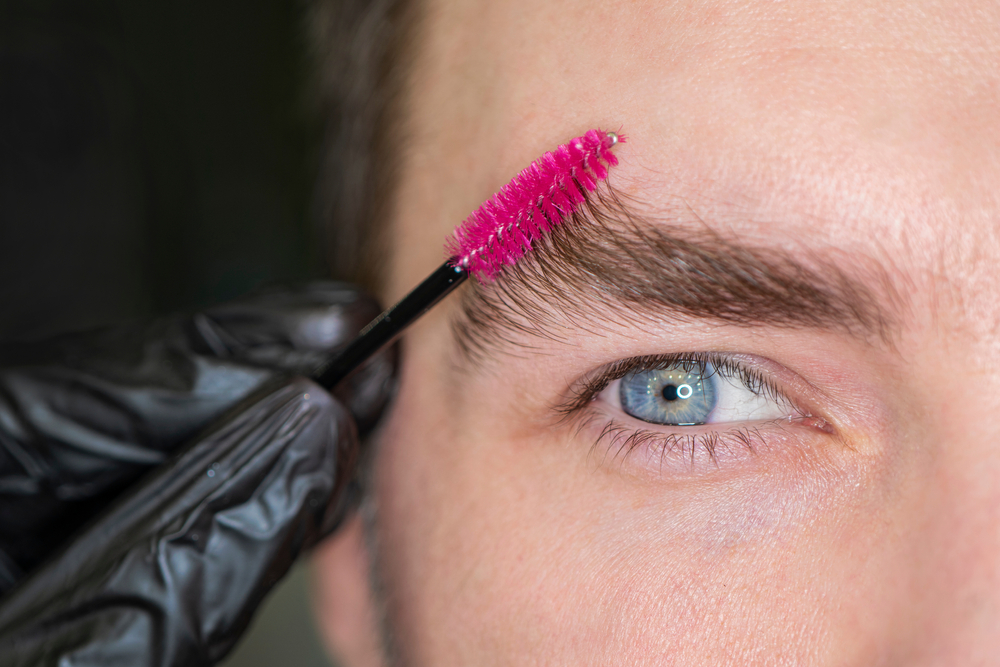
As well as aesthetics, eyebrows play a huge role in nonverbal communication and expression. Without them, you can seem less animated or expressive. So for people that have lost their brows due to illness or injury, restoring them can be a huge boost to self-esteem and social confidence.
The Procedure
The first step of the eyebrow transplant is to meet with your cosmetic surgeon to discuss your expectations and desired shape and look for your brows. As with beard or scalp procedures, your surgeon will use FUE to extract and implant individual hair follicles from the donor area to the eyebrow. They will be implanted individually and carefully to match the growth pattern of your natural brows and create a natural, seamless look.
In the same way as with other transplants, the hair follicles will be taken from your scalp, most likely from the back or behind the ears. However, head hair grows faster and longer than eyebrow hair naturally does. So after a transplant, many patients find they need to trim their brows every couple of weeks. But for most, this is a small price to pay for full, permanent brows.
Chest Hair Transplants: A Niche but Growing Market
The Link with Masculinity
For some, chest hair is the ultimate symbol of rugged masculinity, for others it’s something to be waxed away. But like most things relating to body hair, what is considered “ideal” depends a lot on cultural trends, personal preference and even geography. More recently, things are shifting, a growing number of men are choosing to add chest hair rather than remove it.
Typical Candidates
Compared to scalp, beard and eyebrow procedures, chest hair transplants are still relatively niche, but they’re gaining popularity. Generally, it’s men who are looking for a fuller look which is more aligned with cultural images of masculinity who go for this kind of hair transplant. In certain regions and demographics, a smooth, hairless chest isn’t the ideal, with chest hair being a symbol of maturity, strength, and even sexual appeal. It may also appeal to transgender men to align with these cultural trends or to feel more masculine, or like their true selves. Others may choose this procedure to address patchiness or scarring from surgeries like open-heart procedures, or burns, giving them the chance to feel more confident shirtless.
The Procedure
In most cases, it works similarly to other types of transplants. Hair follicles are typically taken from the back or sides of the scalp and transplanted strategically across the chest. Unlike with beard or brow transplants though, the goal isn’t always to create dense uniform coverage. A natural-looking chest often has a much more random pattern of hair growth, with variations in density and direction. A skilled cosmetic surgeon will replicate this look seamlessly to make your new chest hair look very real.
There is another challenge with transplanting hair from the scalp to the chest, they aren’t identical. Chest hair tends to be finer, curlier, and grows in shorter cycles. Scalp hairs transplanted to the chest may initially grow longer and straighter, so trimming and grooming are often needed after this procedure to maintain a natural look.
Psychological and Emotional Impacts
While hair transplants are often seen as purely cosmetic, their emotional impact can run much deeper. For many people, filling in a patchy beard, restoring eyebrows or adding chest hair isn’t just about looks – it’s about improving their confidence and feeling more aligned with their identity.
Often, a hair transplant will result in a powerful boost in self-esteem once results settle in. For transgender people, this kind of procedure can be life-affirming, helping their outside appearance match their internal sense of self. In this way, it’s not just about looking a certain way, its about feeling authentic to themselves.
That said, hair transplants aren’t the right way to go for everyone. Surgeons screen for conditions like body dysmorphic disorder (BDD) to ensure that patients have healthy expectations. If someone believes a fuller beard or thicker brows will fix all their insecurities, they might be disappointed.
The recovery phase isn’t always straightforward. It’s normal for transplanted hairs to fall out before starting to regrow naturally, which can trigger anxiety if patients aren’t prepared for this. Final results take several months to appear, to allow for a full regrowth of the hair in that area. This takes patience and trust in the process.
Ultimately, when it’s done for the right reasons, these procedures can offer more than just following a trend or looking a certain way. They can help people to feel more like themselves and more confident in their own skin.
Risks, Costs and Considerations
Like any cosmetic procedure, hair transplants come with some negatives, in terms of complications from the surgery, financial and other considerations. It’s important for anyone considering it to be fully informed before they go under the knife.
Potential Complications
Although FUE is minimally invasive, it can still lead to scarring, infection, cysts or an unnatural appearance if not performed carefully. If a graft is placed poorly, then it can grow in the wrong direction and look obviously unrealistic. This is a particular risk in delicate areas like the eyebrows or beard. Furthermore, in any hair transplant procedure, there is a risk that some of the follicles won’t take properly. Although it is a normal part of the process for hairs to fall out initially before regrowth is established in its new location, sometimes the skin around the follicle can be damaged which prevents this. Usually the hairs around the area will disguise any missing hairs or bumps in affected areas.
What’s the Cost?
Cost is another major factor. Prices can vary widely depending on where you are in the world and how extensive the work required is. Generally a beard transplant will cost anywhere between $6,000 to $12,000, or an eyebrow transplant will set you back around $3,000 to $8,000. Chest hair transplants can vary significantly based on the amount of hair needed, a full chest coverage could be around $10,000 or more. It’s also key to note that insurance policies likely won’t cover these treatments as they are considered cosmetic.
Anything Else to Consider?
The upfront price of a transplant isn’t the only investment, there’s time involved too. Healing can take weeks, and full results can take up to a year to show. There’s also a psychological side, so candidates need to go in with realistic expectations. As much as a transplant can enhance your appearance and your confidence, it won’t completely reinvent your life. Some people may also require multiple sessions to achieve the result they want, particularly in larger areas like the chest.
While the results of a hair transplant can be momentous for the right person, they require careful thought, research and a bit of patience to get there.
The Future of Non-Scalp Hair Transplants
The world of non-scalp hair transplants is growing, with a few different anticipated directions of change.
Designer Transplants
An exciting development is the rise of designer transplants. Instead of just restoring hair, patients are working with surgeons to create customized looks like a certain beard shape, brow arch or chest hair pattern. It’s becoming less about “fixing” something and more as a new form of self-expression.
New Technology
Advances such as robot-assisted FUE can make procedures quicker and even more precise. Hair cloning is another exciting avenue where follicles could be cloned to provide an unlimited supply of grafts for transplanting without the need to harvest. Similarly, stem cells can be coaxed to become hair follicle stem cells, this could allow for regeneration of new hair follicles to address various hair loss conditions.
Social Acceptance
In general, cosmetic procedures are becoming more and more a part of daily life, and normalized across all genders and age groups. Where once people might have felt shame or hidden their hair transplant, today it’s often worn proudly – a shift which will hopefully continue!
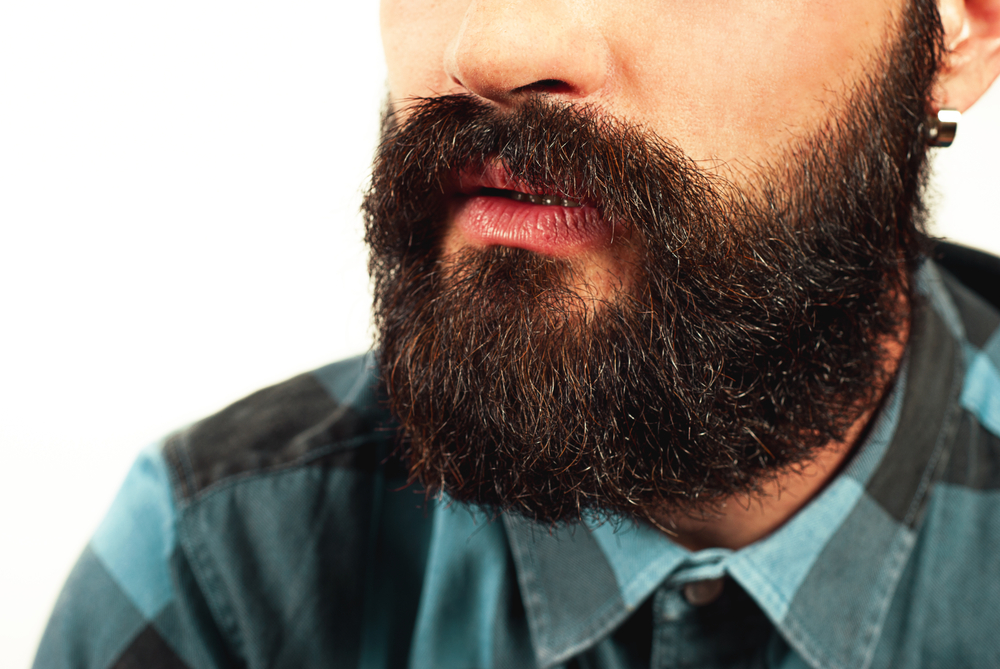
Ultimately, non-scalp hair transplants are part of a broader cultural movement towards highly personalized beauty. People are using advances in technology to take control of how they want to look, and it seems like this momentum will keep going.
Hair Today, Hair Tomorrow
Hair transplants have come a long way, from awkward scalp plugs to precision-crafted enhancements that shape everything from facial features to body image. What used to be a niche fix for hair loss has evolved into a powerful tool for self-expression, identity, and confidence. Whether its beards, brows or chest hair, they’re no longer just about genetics or luck, you can make precise choices about your hair. Thanks to modern and emerging techniques, people have more control than ever over how they want to look.
As the stigma fades and technology keeps improving, non-scalp hair transplants are moving from fringe to forefront. Whether it’s about reclaiming what you’ve lost, enhancing what you have, or creating something entirely new, the future of hair transplants isn’t just on our heads, its wherever we want it to be. The choice to feel your best is ultimately yours.