
You’ve finally decided to fix your vision once and for all by booking a LASIK consultation, only to be told that you’re not a good candidate. A wall to clearer eyesight has been built in front of you that you didn’t know existed, isn’t LASIK supposed to work for everyone? Well, not quite.
While LASIK has helped millions ditch their glasses and contact lenses, it’s not a universal solution. In fact, a significant percentage of people find themselves quietly placed on what some call the “LASIK blacklist” – a group for whom the procedure could be risky or downright dangerous. This isn’t the end of the road for your vision however. Being ineligible for LASIK simply means that your eyes are unique, and need a different, more well-suited approach.

Understanding LASIK
LASIK stands for Laser-Assisted in Situ Keratomileusis, and has been a popular choice for laser eye surgery since the 1990s. This short procedure corrects vision by creating a thin flap in the cornea (the clear, domed surface of your eye) and then reshaping the corneal tissue underneath. This flap is made by a very precise laser which means that it can be lifted and then replaced to allow for natural healing. The cornea is reshaped to change the way that light enters into the eye, so that it focusses right on the retina.
There are many reasons why LASIK is the first choice for many seeking vision correction, but one of the key things is how quick it is. The surgery usually takes around 15 minutes for both eyes, and most patients notice significant improvements to their eye-sight within 24 hours. It is also highly effective, particularly for people with mild to moderate myopia (nearsightedness), hyperopia (farsightedness), or astigmatism.
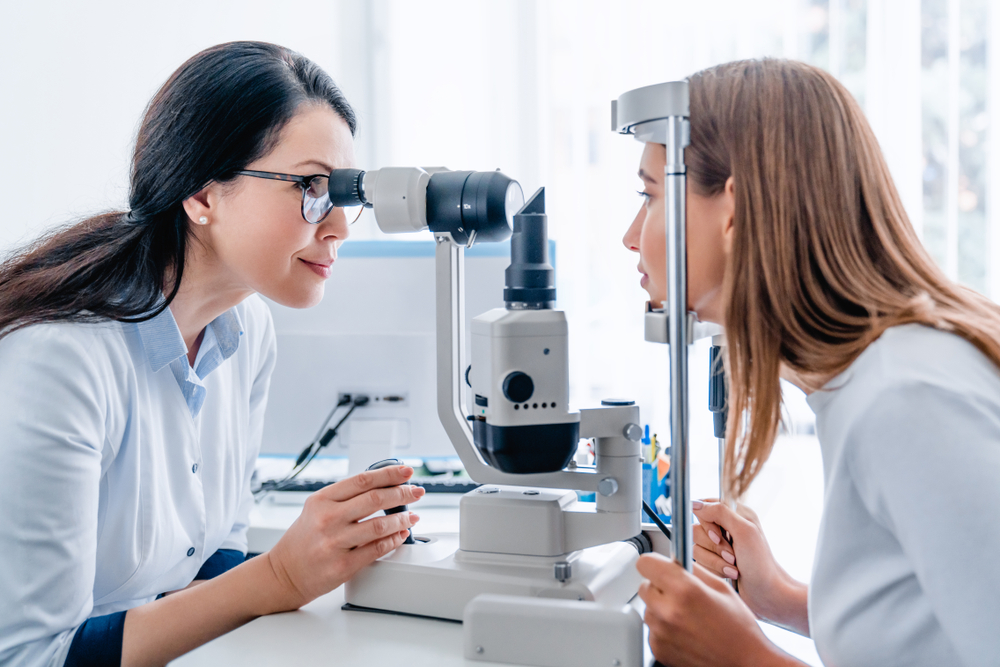
However it may not be right for everyone, there are some potential downsides that mean that LASIK may not be the best decision for you. LASIK is incredibly precise, and that precision depends heavily on the condition of your eyes. The procedure reshapes living tissue, and therefore if your cornea isn’t quite right, it could make things worse rather than better. There are just some people for whom LASIK works better than for others. So for this reason, there is a significant screening process before you are signed off for surgery. Your initial consultation will include a series of tests and some in depth discussion to understand your vision goals, and how to best fulfill them.
The LASIK Blacklist: Common Disqualifiers
So what exactly means that you’re out of the running for LASIK? There are a few different disqualifiers related to physiology and lifestyle, and are all there to ensure that your eyes are safe and your outcomes are as good as possible.
Thin Corneas
This is one of the most common issues that people face. During LASIK, a tiny flap is cut into your cornea and then reshaped underneath. If your cornea is already thin to start with, there’s just not enough tissue to work with safely. Attempting the surgery with too thin corneas could risk weakening your cornea so much that it bulges outward over time, a condition called ectasia. No surgeon wants this for their patients.
Irregular Corneal Shape (Keratoconus)
Similarly, keratoconus is a disease where the cornea thins and starts to form a cone shape instead of a dome. If you have any signs of this, even early ones, LASIK is off the table as it would only speed up the damage. Fortunately, there are treatments like corneal cross-linking that can help strengthen the cornea instead.
Severe Dry Eye
If your eyes already feel dry and irritated before surgery, chances are they’ll feel even worse after. LASIK can temporarily reduce tear production, and for someone already struggling, it could cause serious discomfort or even vision problems. Many clinics now test tear production as part of the screening process for exactly this reason.
Unstable Vision (Changing prescription)
If your glasses prescription has changed significantly within the past year or two, that’s a red flag. LASIK locks in the shape of your cornea as it is now, so if your vision is still changing, you could end up needing glasses again pretty soon after surgery. Most surgeons want to see at least 12 months of stable vision before they’ll consider you a candidate.
Glaucoma
Glaucoma is a type of eye condition which results from fluid build-up in the front of your eye. This increases the pressure inside your eye which can damage the optic nerve. LASIK isn’t recommended for people with glaucoma as it can further raise your eye pressure and worsen the glaucoma.
Autoimmune Disorders
Conditions such as rheumatoid arthritis, lupus, or HIV can increase the risks associated with LASIK. With an autoimmune disease, your body’s natural healing response doesn’t work the same. Poor healing means a higher chance of complications, infections or unsatisfactory results.
Large Pupils
Some people have larger than normal pupils, and while day-to-day this may not cause any issues, it may mean that LASIK isn’t right for you. Large pupils can lead to debilitating night-vision issues after surgery, such as glare, halos and starbursts around lights. If your pupils are on the larger side, your surgeon might suggest other options or extra precautions.
High Refractive Error
LASIK works wonders within certain limits. If you’re severely nearsighted or farsighted, LASIK might not be able to reshape your cornea enough without making it dangerously thin. Pushing the limits would put your eye health at risk, and most reputable surgeons won’t take this risk. So if your prescription is very high, exploring other options like implantable contact lenses might be your safest bet.
Age-Related Factors
Age plays a role, too. If you’re under 18, your vision is most likely still changing. If you’re over 40, you might be starting to deal with presbyopia – the age-related loss of near vision. LASIK can’t stop presbyopia, so even after surgery, you might still need reading glasses. Some people over 40 may be better candidates for other procedures like refractive lens exchange instead.
Lifestyle Factors
There are some lifestyle factors which may mean that LASIK isn’t the best option for you. Firstly, if you play contact sports like boxing, martial arts or rugby, or have a physically demanding job, then other options such as SMILE may be more appropriate. This is due to the risk of the corneal flap made in LASIK shifting during activity in the recovery phase. Options like SMILE do not carry this risk. Secondly, if you work in a dry environment with low activity or even very heavy screen use then other laser eye surgeries may be preferable due to a lower risk of dry eye.
Finding out that you’re not a candidate for LASIK can be disappointing. You were ready to ditch your glasses for good or cancel that contact lens subscription only to find out it won’t work for you. It’s normal to feel frustrated or let down. However, if your surgeon tells you that LASIK isn’t appropriate, then this is actually a positive step towards finding the right solution for your vision issues. And after all, LASIK reshapes living tissue, and if your eyes aren’t ideal for it, pushing forward could cause serious issues down the line.
Fortunately, LASIK is not your only option. There are many safe, effective alternatives designed for people exactly like you. Being ineligible simply means that you’ll take a different, smarter path to the same goal: seeing clearly without sacrificing your eye health.
Alternative Options to LASIK
So maybe LASIK isn’t the best option for you. Now, what? There are several other procedures, and some non-surgical options that can give you amazing vision without the risks that LASIK might have posed. Some of these alternatives have been around for decades, others are newer, cutting edge options that might even suit you better than LASIK. Here are some examples.
| Procedure | Description | Pros | Cons | Best For |
|---|---|---|---|---|
| LASIK | Laser reshapes the cornea under a flap. | Quick recovery; minimal discomfort; highly effective | Not ideal for thin corneas or dry eyes; flap-related complications | Most healthy adults with stable prescriptions |
| PRK (Photorefractive Keratectomy) | Surface laser reshaping without flap. | No flap; suitable for thin corneas | Longer recovery; more discomfort | People with thin corneas, dry eyes, or contact sport athletes |
| SMILE (Small Incision Lenticule Extraction) | Removes a lenticule via small incision using a femtosecond laser. | Minimally invasive; less dry eye risk; no flap | Limited to myopia and mild astigmatism | Patients with myopia who want a flapless, less invasive option |
| Phakic IOLs (Implantable Collamer Lenses – ICL) | A lens is implanted inside the eye without removing the natural lens. | Reversible; good for high prescriptions; no corneal reshaping | Invasive; risk of cataracts, infection, or glaucoma | High myopes or patients with very thin corneas |
| RLE (Refractive Lens Exchange) | Natural lens is replaced with an artificial lens (like cataract surgery). | Permanent fix; good for presbyopia; prevents cataracts | Higher surgical risk; loss of accommodation | Older adults or those with presbyopia/cataracts |
| Orthokeratology (Ortho-K) | Rigid contact lenses worn overnight to reshape the cornea temporarily. | Non-surgical; reversible | Temporary results; ongoing lens care required | Children, teens, or surgery-averse patients |
| Specialty Contact Lenses | Custom-designed lenses for irregular corneas (e.g., scleral, hybrid lenses). | Non-surgical; customizable for complex vision problems | Requires regular wear and care; not a permanent solution | People with keratoconus, irregular astigmatism, or dry eyes |
| LASEK (Laser Epithelial Keratomileusis) | Similar to PRK but epithelium is repositioned after laser reshaping. | Less discomfort than PRK; suitable for thin corneas | Slower recovery than LASIK; potential for haze | Patients not suitable for LASIK or PRK |
| CK (Conductive Keratoplasty) | Uses radiofrequency energy to reshape the cornea for mild farsightedness. | Minimally invasive; quick recovery | Results not permanent; limited range of correction | Mild hyperopia or early presbyopia |
PRK (Photorefractive Kerectomy)
Like LASIK, PRK is a type of laser eye surgery which works by reshaping the corneal tissue to correct the refraction error in your eye. However, instead of creating a flap in the cornea, the surgeon removes the entire epithelium – the outer layer of the cornea. After surgery, a contact lens is usually placed over the eye which promotes the natural regeneration of the epithelium.
This is a great choice for people with thinner corneas, because there’s no flap to weaken the eye. But the downside is that recovery time can be a little longer and more uncomfortable, with potentially weeks to months for vision to recover. There is also a slightly higher chance of visual side effects like glare or halos, but usually the end results are just as good as LASIK.
SMILE (Small Incision Lenticule Extraction)
SMILE is one of the newest laser eye surgeries out there. Instead of creating a large flap, SMILE uses a tiny incision (just a few millimeters) to remove a small piece of corneal tissue. Because it’s so minimally invasive, it often causes less dry eye than LASIK and might be an option if this was one of the reasons you were ruled out.
SMILE is typically best for patients with moderate to high myopia (nearsightedness) and astigmatism. It’s not quite as widely available as LASIK or PRK yet, but it’s gaining popularity fast.
Phakic IOLs (Implantable Contact Lenses)
If your prescription is way off the charts, like super high nearsightedness or farsightedness, LASIK might not have been strong enough to fully correct it. That’s where Phakic Intraocular Lenses come in. These are tiny lenses that are implanted inside your eye, either in front or just behind your natural lens, like permanent contact lenses.
One of the most common types is the ICL (Implantable Collamer Lens) which is reversible, effective for very strong prescriptions and preserves the natural shape of your cornea.
Refractive Lens Exchange (RLE)
If you’re over 40 and starting to deal with reading glasses on top of distance vision issues, Refractive Lens Exchange might be a perfect match. In RLE, the eye’s natural lens is removed (just like cataract surgery) and replaced with an artificial intraocular lens (IOL) tailored to your vision needs.

RLE can fix nearsightedness, farsightedness, astigmatism, and even presbyopia (age-related close-up vision loss) all at once. Bonus: you’ll never get cataracts later on, because the natural lens has already been replaced.
Orthokeratology
This is a great non-surgical alternative to LASIK where specially designed contact lenses are used to gently reshape the curvature of the eye while you are sleeping. This creates clearer vision during the day and can eliminate the need for daytime glasses or contact lenses. Orthokeratology has also been proven to slow progression of nearsightedness in children.
Specialty Contact Lenses
If surgery isn’t an option for you, or if you’re just not ready to commit, there have been amazing advances in specialty contact lens technology which means that they can be a great long-term solution. Scleral lenses and rigid gas permeable lenses are designed for irregular corneas, severe dry eye, and keratoconus. They can give you sharper vision than regular soft contacts, and for some people, they’re even more comfortable once you get used to them.
How to Make the Right Choice
Finding out that you aren’t eligible for LASIK is just the beginning, not the end, of your vision journey. But with so many alternatives out there, how do you know which is right for you?
Get a Second Opinion
The first step is to confirm this initial outlook is the right one. Different surgeons, different clinics, and even different machines can sometimes catch things that others miss, or offer solutions another doctor didn’t mention. If you were initially told you were ineligible, find another reputable refractive surgeon and ask them to review your scans and test results. Some clinics even specialize in complex cases that other centers turn away.
A good idea is to look for surgeons who offer a wide range of solutions, not just LASIK. They will be best to advise you on choosing an option which is the safest and smartest approach for your eyes.
Ask Questions – Lots of Them
Being prepared ahead of your consultation will result in you leaving it feeling more informed. Here are some ideas for things you might want to ask your surgeon.
- Why am I not a good LASIK candidate specifically?
- What alternatives do you recommend, and why?
- What are the risks and benefits of each option for someone with my eye condition?
- What does the recovery process look like?
A good surgeon won’t rush you or pressure you. They’ll be happy to break it all down clearly until you feel clear and confident about your options.
Be Realistic About Your Goals
What is the most important outcome for you? Can’t wait to ditch your glasses altogether, or are you comfortable that you might need reading glasses later if it means good distance vision now? Would you prefer a slightly longer recovery time if it means a safer outcome? Different procedures have slightly different trade-offs. Being clear on what matters most to you can help to guide your decision.
Consider the Long-Run
It’s easy to be excited about what your vision could be like next month, but be sure to think further down the road. What about in five or ten years? Are there procedures that might age better with you, like RLE for example?
Finally, take your time and trust your instinct. If you’re feeling pressured, upsold or rushed, then take a step back. Your vision is too important to gamble on a bad fit between patient and procedure or provider. Choosing the right option is about picking what feels right and suits your individual wants and needs best.
Is LASIK Right for You?
If you’ve been told that you’re not eligible for LASIK, disappointment is natural. However, what feels like a step backwards is actually starting you on a journey towards the best solution for you. Perhaps your prescription isn’t stable, your eye shape isn’t ideal for LASIK or you have certain health issues. Being turned down for LASIK doesn’t mean you’re out of options. It just means that your vison journey is going to take a smarter, safer path – one that’s actually better suited to unique eyes.
Thanks to huge advances in vision correction, there are more alternatives now than ever before. Whether its PRK, SMILLE, implantable lenses or even specialty contacts, there’s a solution designed to match your specific needs without risking your long-term eye health.
The key is working with a provider who takes the time to really understand your eyes and your personal goals. Make sure you ask questions, explore all the options available and trust that being on the LASIK blacklist today is protecting your vision for the future. Clear, sharp vision isn’t only for people who qualify for LASIK. It’s still absolutely possible, you just may need to take a different (and often wiser) road to get there. And in the long run, that choice will be an important investment into your future self.