
Some people with missing teeth will not smile, laugh loudly or even speak without covering their mouth to avoid embarrassment. They may be self-conscious about their lack of a tooth and they may feel shame about their situation. This isn’t purely a question of aesthetic appeal, there is a deeper erosion of confidence. There may be anxiety, depression and others may not understand the deeper implication. It’s hard to put a price on your confidence and sense of self-worth. Dental implants can be less extensive than you might imagine and there are payment plans to spread the cost. So, it is important to understand the negative effects of tooth loss and how dental implant procedures can help.
The Denture Journey
The University of Sheffield have set out four main stages that they refer to as part of the “Denture Journey”. This is the varying ups and downs that most people experience when they deal with the loss of a tooth and its replacement (whether that’s dentures, dental implants, or something else).
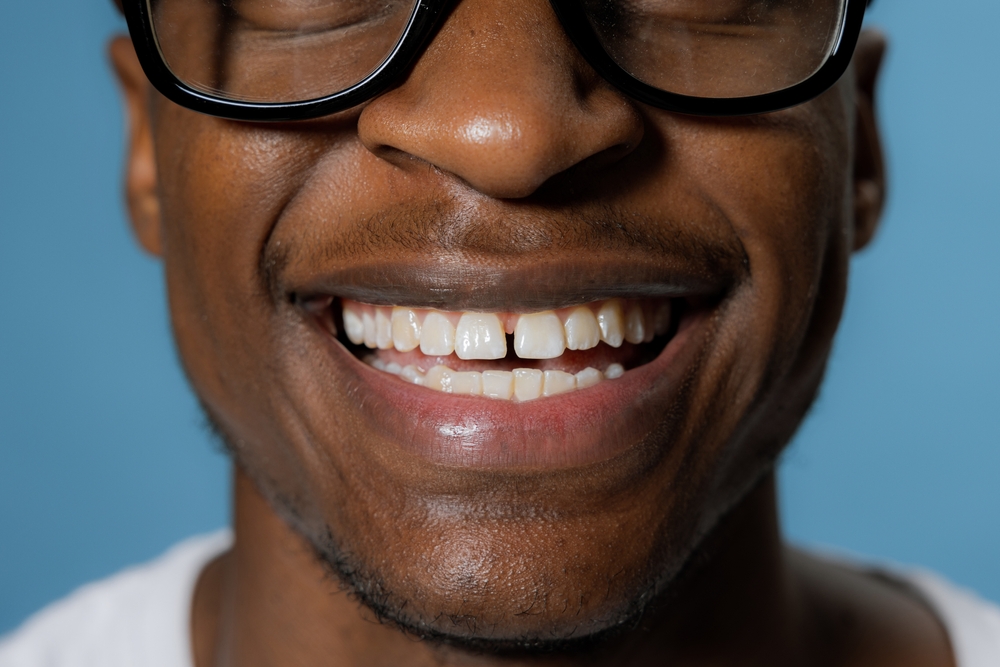
The Initial Shock
When the tooth or teeth are lost there is a rapid emotional impact. For most people this is a mix of shock, grief and denial as they deal with the change.
The Emotional Low
This is probably the worst stage to deal with, the person will adjust to speaking, socializing and eating with one or more missing teeth. The impact on their self-esteem can be brutal and some may have doubts about how others see them.
The Hope
When the patient makes a decision to get dental implants or some other form of tooth replacement they can begin to experience a sense of optimism. Some may start to imagine themselves smiling and eating normally and this can be a relief.
The New Implants
The adjustment to new dental implants takes time and there are emotional and physical challenges to overcome. Gradually the patient will begin to feel confident and comfortable as they come towards the end of their treatment.
How is Mental Health Degraded by Poor Dental Health?
Most people don’t realize that there is a close connection between mental and oral health. When a patient has missing teeth and/or poor mental health, this may contribute to depression, anxiety and a loss of self-esteem. There are five main factors that illustrate how this interconnected link works in practice.
Chronic Pain
Chronic pain or, in some cases, even mild discomfort caused by dental problems can have a negative effect on mental health. If the pain is more severe and persistent, it’s likely to cause anxiety, depression and stress that’s hard to ignore.
Speech Difficulties
When teeth are missing, there are often speech alterations and it can be difficult to pronounce words correctly. This can lead to personal interaction avoidance which can increase social anxiety and create a sense of isolation.
Dietary Restrictions and Deficiencies
Eating a balanced diet can be a challenge when teeth are missing and this could lead to poor nutrition uptake. This in turn can lead to brain function degradation and mood alteration. Eventually the mental health risks may become more pronounced.
Low Self-Esteem
Humans associate a full and open smile with success, confidence and attractiveness. If teeth are missing, it’s harder for a person to see themselves as attractive or capable. Ultimately this will degrade any remaining self-esteem and it may feel impossible to turn things around.
Self-Consciousness
Those with missing teeth can become socially withdrawn because they avoid smiling, conversations, eating out, public speaking and more.
The Psychological Impact of Missing Teeth
The specific psychological impact of one or more missing teeth will vary depending on the individual. But, there are five common effects.
Anxiety and Depression
There is a degree of stigma surrounding tooth loss that may lead to feelings of inadequacy, shame, embarrassment and more. As these feelings persist, they will contribute significantly to feelings of anxiety and depression. Some studies have shown that those with missing teeth are more likely to experience higher levels of psychological stress than others with a full set of teeth.

A Distorted Self-Image
Those with missing teeth may begin to focus on the flaws they see and experience, forgetting about their positive qualities. This will lead to avoidance behavior, the person might avoid photographs, mirrors, social situations and more.
Isolation and Withdrawal
Those that experience embarrassment about their missing teeth may withdraw from dating, social gatherings, interaction in the workplace and more. Gradually, the person can begin to feel isolated which leads to loneliness which is a major risk factor for depression.
An Increase in Stress Levels
This is very common, how we’re perceived and judged on our looks is important, Others may make negative assumptions about our age, hygiene, socioeconomic status and this increases anxiety.
A Lack of Self-Confidence
If the missing tooth is at the front of the mouth where it was visible, it can make the person feel old before their time and less attractive. This is likely to lower their confidence in personal and professional relationships. This can seriously degrade how a person might date, advance their career or explore fresh opportunities to grow as a person.
How Can I Deal with Missing Teeth?
There are a few routes to take when you want to overcome tooth loss. But, the most important advice is to get a good professional dentist that understands the physical and mental ramifications for good health. Modern dentistry has made significant advancement in recent years and there are plenty of solutions to explore. The four most popular options at this time include the following.
| Solution | Description | Pros | Cons | Best For |
|---|---|---|---|---|
| Bridges | Artificial teeth anchored to adjacent natural teeth. | – Faster procedure – Less expensive upfront | – May damage healthy teeth – Shorter lifespan | People missing 1–3 adjacent teeth |
| Veneers | Thin porcelain or composite shells bonded to the front of teeth. | – Improves appearance – Minimally invasive | – Only cosmetic – Doesn’t replace missing teeth | Minor cosmetic gaps or flaws |
| All-on-X | A full arch of teeth supported by 4–6 dental implants. | – Permanent – Stable and functional – Natural look | – Expensive – Requires surgery | People missing most or all teeth |
| Dental Implants | Titanium posts surgically inserted into the jawbone to replace individual teeth. | – Most durable – Preserves jawbone health – Natural appearance | – High cost – Longer healing time | Single or multiple missing teeth |
A Brief Dental Implant Primer
A dental implant is a titanium screw that’s inserted into the jawbone with an artificial tooth that covers the upper portion above the gum line. Over time, the part that’s screwed into the jawbone will fuse with the natural bone to create a strong bond. This is needed to create a solid support for the artificial crown or tooth above. The dentist installs a connector or abutment above the implant that holds the custom crown.
Each crown is designed specifically for the patient to match their remaining teeth. The dentist can replace one or more teeth in this manner to give the patient a natural appearance. This is tried and tested technology, a dental implant is safe and it can give people a full range of chewing to eat comfortably. This has been a revolution for seniors in particular and they don’t need to resort to softer foods as they age which was common in the past.
What Happens During a Dental Implant Procedure
There are multiple stages that can take a significant amount of time to complete. There will be a necessity to give the mouth time to heal between stages before further work can be completed.
The first step is to choose a reputable local dentist and get a consultation. You may be surprised to learn what’s possible and new innovations in the industry are ongoing. The dentist will then use a 3D imaging machine to fully evaluate the condition of your teeth and gums. This information will be needed when you discuss the implant options and a plan will be created to carry out the dental implant procedure. Each of these stages can be difficult to understand at first so it’s important to ask questions to prepare yourself for the procedure.
The next appointment is where the work begins and this is when the dental implant is installed in your jaw. This piece will be positioned in the gap where the teeth are missing. In many cases, this is a fast and relatively painless experience and most people can return to their regular day routine in around 24 hours. That said, some people may need to receive local anesthesia or even sedation for the duration of this surgery. If you have anxieties about the surgery or you’re concerned about remaining comfortable, this should be discussed during the initial consultation.
The after effects of the surgery are like other dental procedures that you may already be familiar with. It’s not uncommon to experience bruising, swelling, minor bleeding and a little pain. Most patients deal with this with ibuprofen or some other over the counter pain medication. Avoid using aspirin to deal with dental pain because it will interfere with the blood clotting process. There may be dissolving stitches in the gum, but if they need to be removed at a later stage this will be explained to you. Before you leave, the dentist will offer advice and recommend a course of antibiotics to prevent infections as you heal.
At this point in the treatment schedule, there should be a gap of several weeks or longer to give your jawbone time to heal and bond with the dental implant. The official term for this is osseointegration and it’s essential to create a solid foundation for the crowns. The dentist will advise you to switch to a soft food diet during this period to help your mouth heal properly. Within a month or two, most people have become used to their implants and they are eating as normal. At the end of this period, the dentist will schedule an appointment for the abutment placement. This is when the dentist places a small connector onto the dental implant. Some dentists will install the connector when the implant is inserted but this is less common.
Once the abutment is in place and the gums are fully healed from the surgery, it’s time to attach the new artificial teeth. These teeth have been custom built to match the shape and color of your existing teeth. The 3D scans and impressions that may have been taken are not perfect and you will need to approve the teeth.

Care should be taken to ensure that the artificial teeth perfectly blend into the surrounding natural teeth. There may be an individual crown for each replaced tooth or a plate may contain multiple artificial teeth or a bridge supported by the implants. Every person is different and the dentist will be working to your requirements. The artificial teeth are strong and secure when they are fixed to the implant, they should feel solid like your natural teeth. It should be possible to bite and chew your feed without experiencing any pain or discomfort. Although the crowns will not decay, they should be brushed and cleaned regularly just like your natural teeth.
There will be regular follow up appointments to track your progress and ensure that your new dental implants are secure and continuing to heal properly. The exact number of check ups will vary depending on the type of implant you choose and how many new teeth you had implanted. The entire implant process can take 3-9 months to complete and there may be some overlap if extensive implants are required. The dentist may focus on one area of your mouth and then switch to a different area as the first area is given time to heal. Every treatment schedule will be tailored to meet the needs of the patient with plenty of flexibility for those that need more time to heal.
Are Dental Implants a Good Choice for Me?
There is no one-size-fits-all answer to that question, we’re all different and we have varying expectations. That said, dental implants can be an excellent choice for those with adequate jawbone density in good health. A senior in their 80s can still get dental implants, but there are some key factors to consider before you make a final decision.
Jawbone Density
Age and long-term tooth loss can cause bone loss inside the jaw which may degrade the chance of a success. The dentist will examine your mouth and the 3D scans to assess the density of your jawbone. In some cases a bone graft may be required to ensure that the jawbone can support the dental implants.
Medical History
Those suffering with medical conditions, such as diabetes, cardiovascular disease and osteoporosis, are not good candidates for dental implant procedures. With good management it may be possible, but it’s important to discuss your medical history with the dentist to discover if this is the best option for you.
Smokers
If you smoke you will degrade the success of the dental implant because the blood flow to your gums is impeded. The dentist should advise you to quit smoking throughout the dental procedure, but remember this may take months to complete.
Lengthy Recovery Times
Seniors have reduced blood flow and slower tissue regeneration that can slow the healing process. So, beyond a certain age the entire implant procedure may take a little longer to complete. The dentist will discuss this time frame with you and offer specific care instructions for recovery and healing.
FAQs
What are the Advantages of Dental Implants?
When one or more natural teeth are lost to dental decay or gum disease, they can be replaced with fresh artificial teeth. These can last up to 30 years and you can still eat all your favorite foods. The implant foundations are made with a tough titanium alloy that’s given plenty of time to fuse with the jawbone. The dental implant can’t decay, but it needs to be kept cleaned and during a checkup the dentist can assess the condition.
What are the Disadvantages of Dental Implants?
The most pressing concern for many people is that an oral surgical procedure does come with certain risks. There can be pain, minor bleeding, infection and inflammation to contend with.
Our mouths are a breeding ground for bacteria and germs that can hinder progress. There must be sufficient jawbone density to proceed and bone grafting may be required if this is not the case. These additional procedures and delays may drive up the cost of the dental implant procedure.

Are Metal-Free Dental Implants an Option?
No. The artificial tooth will contain metal ions and the dental implants and connector posts are constructed from a titanium alloy. There are no metal-free implants available at this time. But, it is important to understand that these are biocompatible materials and an allergic reaction to titanium is extremely rare. To put this into some perspective, these are the same titanium alloys that are used in knee, shoulder and hip replacement implants.
The Choice is Yours
There have been significant advances in prosthodontic dentistry and maxillofacial surgery in recent years. This has reduced a great deal of the anxiety and stress that surrounds dental implant procedures. Tooth loss is not a taboo topic anymore and many people are confident talking about it in an open and frank manner. It’s fairly common to hear people talking about their favorite celebs and where they got their teeth done. Removing this stigma can be a source of hope for those that are struggling with mental health issues that are caused by or exacerbated by tooth loss.