
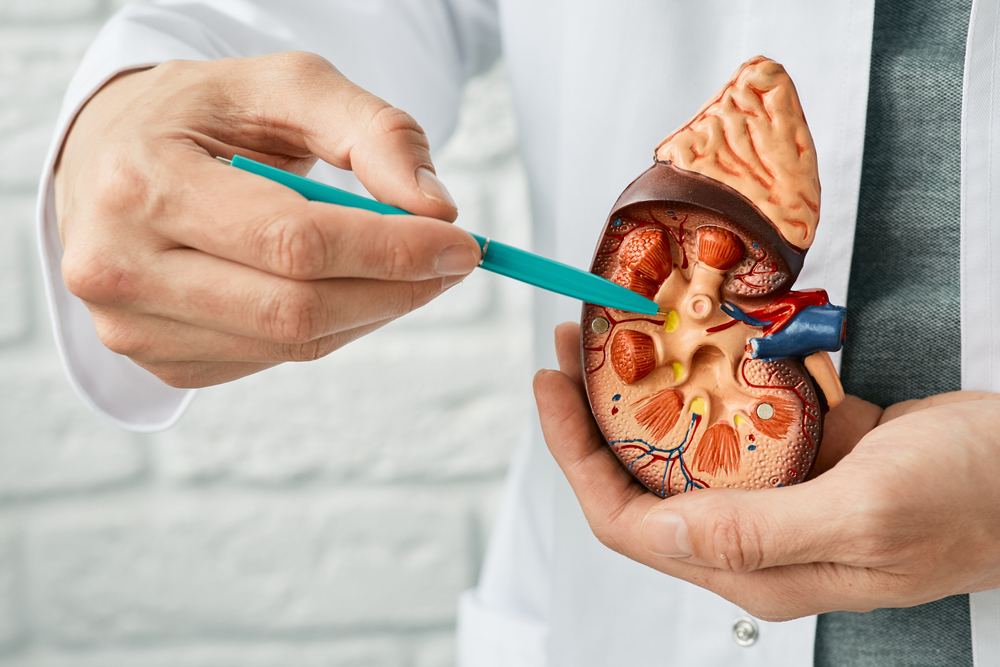
While any cancer is a scary prospect, one of the most commonly undetected forms is kidney cancer. The kidneys are bean sized organs that are roughly the size of a fist. We have one kidney on each side of our spines, behind our abdominal organs, but if left undetected, kidney cancer can spread to the other organs of the body. However, with an understanding of why kidney cancer can often go undetected, you can increase your awareness and reduce your risk.
The Kidney Cancer Basics
While there are several forms of kidney cancer, renal cell carcinoma is the most common type in adults. RCC typically develops as one tumor within one kidney, but both of the kidneys can be affected. In many cases, the cancer cells begin to develop in the cells lining the tubules of the kidneys. These tiny tubes carry nutrients and fluid from the kidneys to the blood.

Kidney cancer most commonly affects the 65 to 74 age group, with men at a greater likelihood of developing the disease. However, children can develop Wilms tumor, which is a form of kidney cancer and accounts for 5% of kidney cancer cases.
The Causes of Kidney Cancer
Unfortunately, there is no clear cause for most kidney cancer. It develops when the cells within the kidney develop DNA changes. The DNA of a cell provides the instructions to let the cell know what it needs to do. In a healthy cell, the DNA provides instructions to multiply and grow at the optimum rate. The instructions also provide information for when the cells should die.
In a cancer cell, the DNA changes alters the instructions including to make as many more cells as quickly as possible. These cancer cells can also keep living past when a healthy cell would die. This causes an excess of cells that form into a mass or tumor. A tumor can invade and destroy healthy tissues and the cells may break away to spread to other areas of the body.
While there are no hard and fast causes, there are some factors that may increase the risks of developing kidney cancer.
- Age: The highest risk of developing kidney cancer occurs if you’re in the 65 to 74 age group, so the risk increases with age.
- Smoking: Tobacco smokers have an increased risk of developing kidney cancer, but the risk can decrease if you quit.
- Weight: Obese people are at a higher risk of kidney cancer compared with someone of a healthy weight.
- Blood Pressure: If you have hypertension or high blood pressure, there is increased risk of kidney cancer.
- Family History: There are certain inherited conditions that can increase the risk of kitchen cancer. This includes Birt-Hogg-Dube syndrome, von Hippel-Lindau disease and tuberous sclerosis complex. Your risk would also be higher if you have a blood relative such as a sibling or parent who has had kidney cancer.
There are also some newly established risks that could be an underlying cause of kidney cancer. Studies published by the CDC (Center for Disease Control) document a positive relationship between the risk of renal cell carcinoma and meat consumption. The studies indicate a 20% to 22% higher risk from eating meat, which increases to 27% to 30% from red and processed meat. This suggests that reducing meat consumption would decrease the risk.
Research has also suggested a link between kidney cancer and chemical exposure. Hazardous chemicals, particularly when exposure is over an extended period, can increase the risk. This was documented in an occupational study of auto workers, regularly exposed to metal working fluids, which are soluble and synthetic liquids used to lubricate metals. There was a relation found between cumulative exposure and linear increase in kidney cancer.
There has also been an increased risk of kidney cancer noted when individuals have high exposure to PFOA or perfluorooctanoic acid. PFOAs are found in a variety of common products including personal care items, carpeting, cookware and food packaging. PFOAs are found in many industries and are known for carcinogenic properties. So, limiting exposure to these chemicals is recommended.
Diagnosing Kidney Cancer
One of the reasons why kidney cancer often goes undetected in the early stages is that it frequently presents with subtle or no symptoms, allowing it to grow quite large before any noticeable issues appear. In many cases, people are only diagnosed with kidney cancer after scans for another condition show a tumor.
Additionally, the kidneys sit deep within the body, which makes it difficult to detect small tumors during physical exams. If you’re at an average risk of kidney cancer, there are no routine screening tests recommended, which further hampers early detection.
As the kidney tumor grows, symptoms may start to appear, such as persistent back or side pain, a palpable lump or blood in the urine, but some of these symptoms can be associated with other conditions, which can further delay a diagnosis.
For those with an average risk of kidney cancer, it may be possible to obtain a diagnosis from a routine urine test, which may be performed as part of a medical check up. If the technician detects small amounts of blood in the urine, it could prompt further investigation to detect kidney cancer. Unfortunately, blood in the urine can also be caused by bladder or urinary tract infections, benign kidney conditions, such as kidney stones or bladder cancer. In some cases, a patient with kidney cancer may not have blood in the urine until the tumor is quite large or the cancer has spread to other areas of the body.
There are imaging tests, such as CT or MRI scans that have the potential to find small kidney tumors. These tests can be expensive and time consuming, so they are not typically prescribed unless the medical practitioner suspects a serious issue. Ultrasound is less expensive and may also detect some early kidney cancers, but the benefits of this type of screening may not outweigh the potential downsides. Additionally, since these imaging tests may not be able to tell a benign tumor from kidney cancer, the person may be subjected to a biopsy or other tests that are not necessary.
Often kidney cancer is found by accident, when imaging is done for another reason. The kidney cancer may not be causing pain or other symptoms, but if there is another issue, the imaging may detect a small tumor. In this scenario, the survival rate can be very high, as the kidney cancer is detected at a very early stage.
In the case of someone with an increased risk of kidney cancer, such as those with inherited conditions such as Birt-Hogg-Dube syndrome or von Hippel-Lindau disease, doctors often recommend regular physical exams. This physical may include ultrasound, CT or MRI imaging, which usually starts when the patient is young to look for kidney and other types of tumors. These tumors can often be cured as they are detected early.
Additionally, those with inherited kidney diseases and conditions are often treated with long term dialysis, which requires regular tests to check for kidney cancer.
Genetic Counseling
If you’ve had family members or any blood relatives who have had kidney cancer or an inherited condition linked to kidney cancer, your doctor may recommend genetic counseling. This can be particularly helpful for those at a younger age to check if there is a high risk which would prompt regular testing and checks.
However, before you undergo any genetic tests, it is important that you speak with a genetic counselor. This will help you to not only understand how the tests are performed, but also what the tests can and cannot tell you, and what the results could mean.
Genetic testing is used to look for any gene mutations which cause inherited conditions, rather than the kidney cancer itself. If you have one of these conditions or a high risk of one of these conditions, it does not mean that you have or will get kidney cancer. However, a positive test would allow you to advocate for more frequent scans and examinations in order to diagnose any tumors or signs of kidney cancer quickly for a greater chance of a successful outcome.
The Treatment Options for Kidney Cancer
If you are diagnosed with kidney cancer, there are several treatment options.
Surgery
This is a minimally invasive or even robotic procedure which can be used to remove the tumor or the kidney itself. You will typically need to remain in hospital for several days after the surgery, but full recovery can take up to 12 weeks, depending on the type and extent of the surgery.
Targeted Therapy/Immunotherapy
This involves drugs that are used together to shrink the tumor. The specific drugs will depend on your condition and medical history.
Radiation Therapy
Radiation therapy is less standard for treating kidney cancer, but it can be used for specific cases. The treatment involves high energy rays that are used to target and kill the cancer cells. It is used when surgery is not a possible option, or to provide palliative care and pain relief.
Cryotherapy
Cryotherapy involves freezing the renal tumor to destroy the cancer cells. It is a minimally invasive procedure which involves a probe being inserted through the skin into the tumor, guided by imaging technology.
This treatment is suitable for cases where the tumors are small, such as in early stage kidney cancer or for those who would be unable to undergo surgery.

Microwave Ablation
Microwave ablation uses heat generated using microwave energy to destroy kidney tumors. It is a minimally invasive procedure that requires a thin probe to be inserted into the tumor via imaging guidance.
Prevention of Kidney Cancer
There is no certain way to prevent developing kidney cancer, but it may be possible to reduce the risk with some basic lifestyle changes.
Avoid or Drink Alcohol in Moderation
If you drink alcohol, be sure to do so in moderation. According to the CDC, moderate alcohol consumption is a maximum of one drink per day for women and up to two per day for men.
Increase Fruit and Vegetable Intake
A balanced diet which contains a variety of fruit and vegetables is the best option for optimum health, but it can also reduce the risk of developing cancer, including kidney cancer. Fresh fruits and vegetables, particularly when minimally processed, contain an abundance of vitamins and other nutrients, including antioxidants, which are associated with a lowered risk of cancer.
Take Regular Exercise
Aim to take at least 30 minutes of exercise most days of the week. Regular exercise is good for physical and mental health, but it also helps to maintain a healthy weight. If you’re not currently particularly active or have underlying issues, it is a good idea to speak to your healthcare professional for advice on getting started.
Stop Smoking
Smoking increases the risk of a variety of cancers, so it is a good idea to stop smoking as soon as possible. There are numerous aids and strategies that can help you to quit, such as nicotine replacement products, support groups and even medications.
Control Your High Blood Pressure
It is always a good idea to have your blood pressure checked when you have a regular physical appointment with your healthcare professional and if your blood pressure is high, you should take steps to lower the numbers. This can include lifestyle measures such as changing your diet, taking regular exercise and even finding stress management strategies. You can discuss the options with your healthcare team, and in some cases, they may recommend medications to lower your blood pressure.
Kidney Cancer FAQs
Does Kidney Cancer Quickly Spread?
How quickly kidney cancer spreads depends on the type of cancer and stage at diagnosis. The most common form of kidney cancer, renal cell carcinoma typically has a slow growth rate, but there are some subtypes that are more aggressive. However, when the cancer reaches an advanced stage, it can spread to other organs, which can increase the symptoms and growth rate.
How is Kidney Cancer Found?
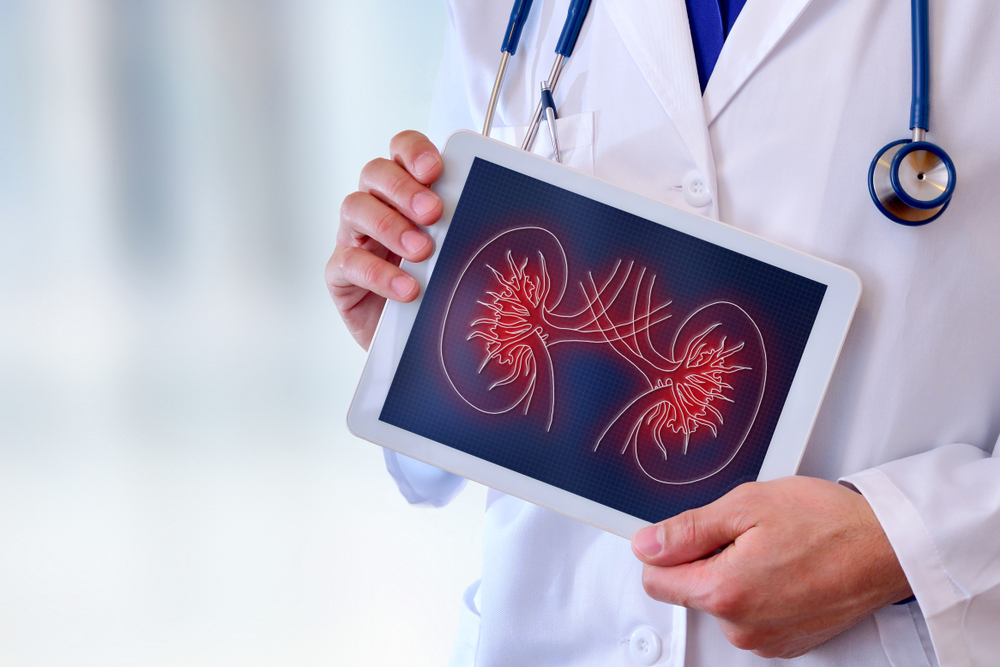
Usually, kidney cancer is incidentally found during imaging testing for an unrelated condition. This includes CT scans, MRIs and ultrasounds, which can detect tumors. In many cases, kidney cancer found during testing for an unrelated condition is stage one, which means that the tumors are early stage and small, causing few or no symptoms. Generally, these tumors are slow growing with a very low risk of spreading.
However, there could be other symptoms such as back pain, unexplained weight loss or blood in the urine, which may prompt further investigation and a diagnosis.
What is the Life Expectancy of a Kidney Cancer Patient?
There is no hard and fast guidance for life expectancy of kidney cancer patients, as it varies according to the stage of kidney cancer at diagnosis and treatment options. In localized cancer cases, there is a five year survival rate of 93%, but this drops to 70% and 12% for regional spread and distant metastasis cases respectively.
What is the Most Common Age Group for Kidney Cancer?
Kidney cancer is most common in the 60 to 74 age group, with the average age at diagnosis of 65. However, while it can occur at any age, kidney cancer is rare in those under the age of 45.
How is Treatment for Kidney Cancer Determined?
If you are diagnosed with kidney cancer, you will discuss the treatment options with your healthcare professional. Generally, for stage one kidney cancer, there is little risk of spreading and with no noticeable symptoms, the patient may opt for active monitoring. Essentially, active monitoring involves routine checks and imaging to ensure that the tumors are not growing or spreading. In cases, where the patient is older, this can be a better option compared to more aggressive treatment options such as surgery. Active monitoring is a safer option for older patients who already have multiple medical conditions. If the patient is generally in poor health or would struggle to tolerate surgery and other treatment options, active monitoring can be a more effective choice.
A Hopeful Outlook
With more sophisticated imaging technology, we are seeing increasing numbers of kidney cancer cases, but kidney cancer remains one of the most tricky cancers to detect. The kidneys are located deep within the body and early stage kidney cancer typically presents with few or no symptoms. So, it is more likely that kidney cancer will be diagnosed as a result of testing for an unrelated condition.
However, it is possible to be more aware and reduce your risk profile with a basic understanding of kidney cancer and its causes. There are a number of risk factors, including family history and inherited conditions, which may increase the chances that you could be diagnosed with kidney cancer. Knowing these risk factors can help you to advocate for yourself to create the opportunity for an early diagnosis. There are also some lifestyle changes that you can make to reduce your risk and increase the chances of a successful outcome.